EP17: Somatic Experiencing and Applied Neurology with Diana May
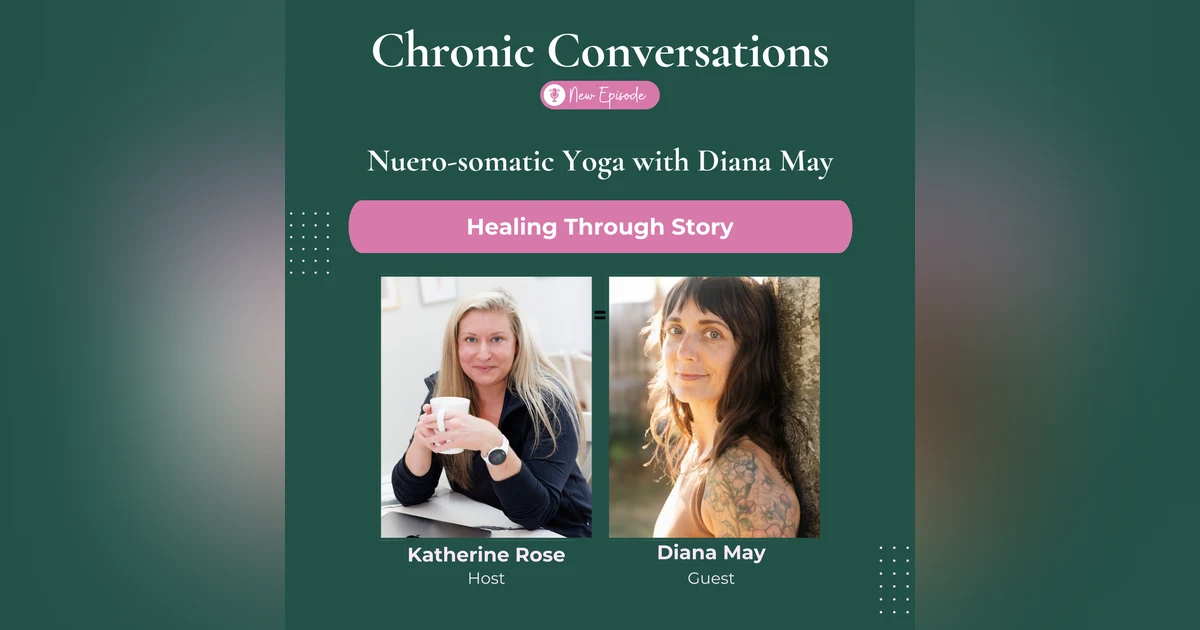


In this episode of Chronic Conversations, we dive deep into the world of somatic experiencing and applied neurology with specialist Diana May. For those living with chronic illness, autoimmune conditions, and chronic pain, the relationship with the body can often feel like a battlefield.
Diana explains why our bodies enter states of "collapse" or shutdown and, more importantly, how we can meet ourselves with compassion in those moments rather than fighting for a "fix." We discuss how the nervous system prioritizes survival over long-term health, why "state drives story," and how simple sensory exercises, like working with your visual system, can signal safety to a brain stuck in a trauma loop.
Host Bio
Hosted by Katherine Rose, Certified Integrative Health Practitioner, Personal Trainer, founder of Reclaimable, future published author, and someone who knows firsthand what it's like to be exhausted, dismissed, and unheard in her own health journey.
This is the go-to space for women who are navigating chronic symptoms like brain fog, burnout, autoimmunity, or hormone chaos. You've done everything right, but still don't feel right.
Social Media Handle: @reclaim.able
Website: www.reclaim-able.com
Connect with Host Katherine:
If you’re navigating midlife health and feel like you’ve hit a wall, know this: it’s not “in your head,” it’s not “just stress,” and you don’t need to just work out more or eat less.
Guests Bio
Diana May is a yoga educator, Somatic Experiencing practitioner, and applied neurology specialist who supports people living with chronic pain and chronic conditions to feel safer, stronger, and more at home in their bodies. Her work blends yoga, somatics, and nervous-system science to help clients reduce pain, restore mobility, and rebuild trust in their body’s signals—without forcing or overriding what the body needs.
Episode’s main topics
1. Defining Somatic Work & Applied Neurology
-
Somatic means "of the body": Everything we do is a somatic practice, but Somatic Experiencing specifically focuses on how trauma and stress are stored in our physiology.
-
The Brain's Priority: The brain's primary job is survival in the present moment, not long-term health. It constantly scans for safety using "Applied Neurology" (visual, balance, and body-position systems).
2. Understanding the "Collapse" State
-
Beyond Fight or Flight: Chronic illness often places the body in a Shutdown or Collapse state (a high-level parasympathetic response). This is the body "playing dead" to conserve energy.
-
The Energy Drain: Staying in a shutdown state is paradoxically exhausting because it takes immense energy for the body to suppress its normal functions (like digestion and blood pressure).
3. "State Drives Story"
-
Physiology Dictates Thoughts: The narrative in your head (e.g., "They’re mad at me" or "I’ll never get better") is often a byproduct of your nervous system being in a threatened state.
-
Body-Up Healing: Instead of using "top-down" methods like affirmations, Diana suggests "body-up" methods (movement, touch, or eye exercises) to change the physiological state, which then naturally shifts the thoughts.
4. Supporting vs. Fighting the Body
-
Acceptance over Resistance: Rather than trying to "fix" or "break out" of a pain flare, Diana advocates for supporting the collapse. This means validating the body's need for rest, reducing fear, and building a relationship with the pain rather than exiling it.
-
Societal Pressure: The world values productivity, which makes "collapsing" feel shameful. Part of healing is uncoupling your self-worth from your ability to be "productive."
5. Trauma as a "Time Traveler"
-
Sensory Snapshots: Trauma occurs when an experience is "too much, too fast, too soon." The brain takes a sensory snapshot (the light, the smell, the setting) of that moment.
-
Implicit Memory: Years later, a similar sensory cue (like a specific angle of sunlight) can trigger a full stress response because the body believes the past threat is happening again.
Resources mentioned in this episode
Connect with Diana May
-
Instagram: @dianamayoga
-
Website: dianamay.com
-
The NeuroSomatic Protocol Workbook: A $39 self-paced guide (with video tutorials and assessment tools) to help your nervous system perceive safety through cranial nerve exercises.
-
Soft Animal Retreat: Diana’s in-person eco-somatic retreat focused on connecting the "earth body" with the physical body.
Please don't forget to Like, Subscribe, Give a 5-star review, and share with a friend if you enjoyed and/or related to this episode. Every positive rating helps Chronic Conversations reach more women to help feel seen, heard and supported.